What is orthopedic massage and what does it entail? Why is a sound understanding of kinesiology essential to practicing orthopedic massage? Plus, learn about different treatment options, including the PEACE and LOVE methods.
What is medical massage and how does it differ from traditional massage therapy? Find out types and techniques of medical massage, and its multiple benefits!
While most meridians of Chinese Medicine are associated with a familiar organ, one stands out as the source of much mystery. Discover the keys to stimulating the triple burner meridian to ensure a therapeutic session.
Approximately 60 million Americans have heartburn at least once a month, with 15 million experiencing it daily. In addition to seeking a physician’s guidance, massage therapy can help a person with this uncomfortable condition. Learn what massage modalities can assist individuals suffering from heartburn.
Cold air can really impact our skin and make it dry. Discover how massage therapy can be a great tool to strengthen skin health especially during the colder months, and tips you can provide your clients with to stay well hydrated between massage sessions.
Food goes in. Waste comes out. The digestive tract, when it is working properly, serves us well. To operate efficiently, it must also be treated kindly and with respect. An overtaxed and abused digestive system can result in discomfort, pain, and serious illness. Learn about the symptoms of various digestive disorders, what can ease the discomfort – and massage therapy’s role.
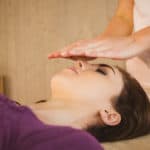
Many hospitals across the United States offer Reiki to their patients. It is being used pre- and postoperatively to reduce anxiety and accelerate healing. It is recommended for cardiac patients and to those with stress-related pathologies such as high blood pressure. Learn how you, as a massage therapist, can incorporate Reiki into your practice and expand into the field of hospital-based energy work.
Clients interested in holistic or natural forms of healing will usually be familiar with Reiki. They may not know what it entails or how it works, but they will have generally at least heard the name of this popular energy technique. While a Reiki practitioner needs training and attunements to work on the self and others, no particular background is required before that instruction. Learn about the background and basic theory of Reiki – and decide if you would like to include it in your massage practice.
Receive original massage articles you'll love to read and exclusive offers you'll want to use.
Enroll Risk-Free! We understand that you are fulfilling your CE requirements, but we feel you are also investing in your skills and professional knowledge, so we offer a 90-day, money-back guarantee. Learn more about our guarantee.
Take our free online course: Ethics Refresher
We will not rent/sell your email to anyone. You'll also receive our newsletter and special offers.
The Institute for Integrative Healthcare Studies is approved by the National Certification Board for Therapeutic Massage & Bodywork (NCBTMB) as a continuing education Approved Provider. Our courses are also accepted by AMTA and ABMP.
We will not rent/sell your email to anyone. You'll also receive our newsletter and special offers.
Thank you! An email will be sent to the address provided with instructions on how to enroll in this 1 CE hour course - FREE!
If you do not see our email within a few minutes of signing up, please check your Spam/Junk folders it may have been delivered there instead of your inbox.
If, by chance, you still have not received it within 5 minutes, please call us at 1-800-364-5722, Monday-Friday, between 9am-12:30pm and 1:30pm-5pm EST for assistance.












 Follow Us